
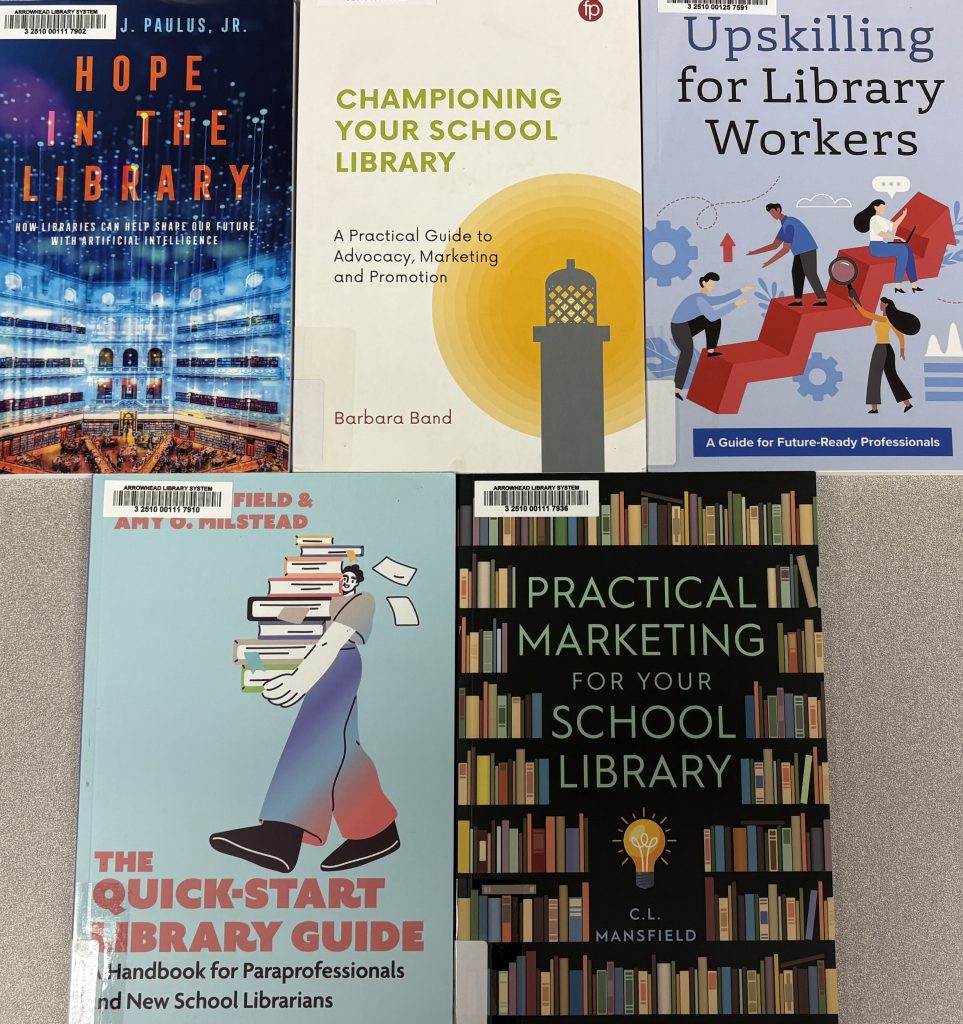
The Arrowhead Library System has added a number of new books to our Professional Collection that are available to borrow now! All these items can be found and requested in the online library catalog and in MNLINK (if your library is not on Horizon). To search for books that match your type of library, use Ctrl + F and type Academic Libraries, Public Libraries, School Libraries or Special Libraries into the search bar.
If you are a library worker and want to learn more about the Professional Collection or would like to suggest a book for purchase for this collection, please contact Stephanie at stephanie.wichlacz@alslib.info.
New Books by Title and Description:
Championing Your School Library: A Practical Guide to Advocacy, Marketing and Promotion Strategies
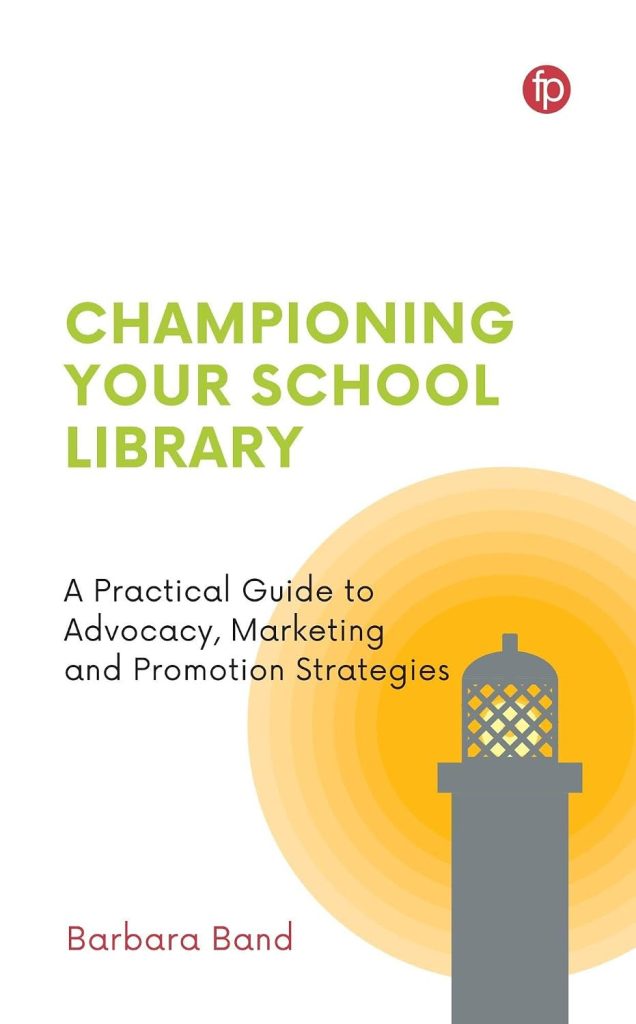
Barbara Band
Recommended for: School Libraries
Championing Your School Library is a comprehensive guide to practical strategies for advocating, marketing, and promoting your library. It will enable readers to demonstrate the value of their school library, particularly through building relationships with key stakeholders and the wider community. Written by an experienced librarian, this book draws on both library and business strategies, as well as real-life examples and case studies of successful practices. A comprehensive guide, it will help readers craft a strategic marketing plan tailored to user needs and ensure that the librarian can offer and build engaging connections for mutual benefits. Chapters cover such topics as
- an introduction to advocacy, marketing and promotion, as well as their importance;
- developing advocacy techniques and marketing plans;
- how to demonstrate the value and impact of the school library; and
- the importance of building relationships with stakeholders.
Creating Healthy Library Workplaces: Five Factors That Improve Employee Engagement and Satisfaction
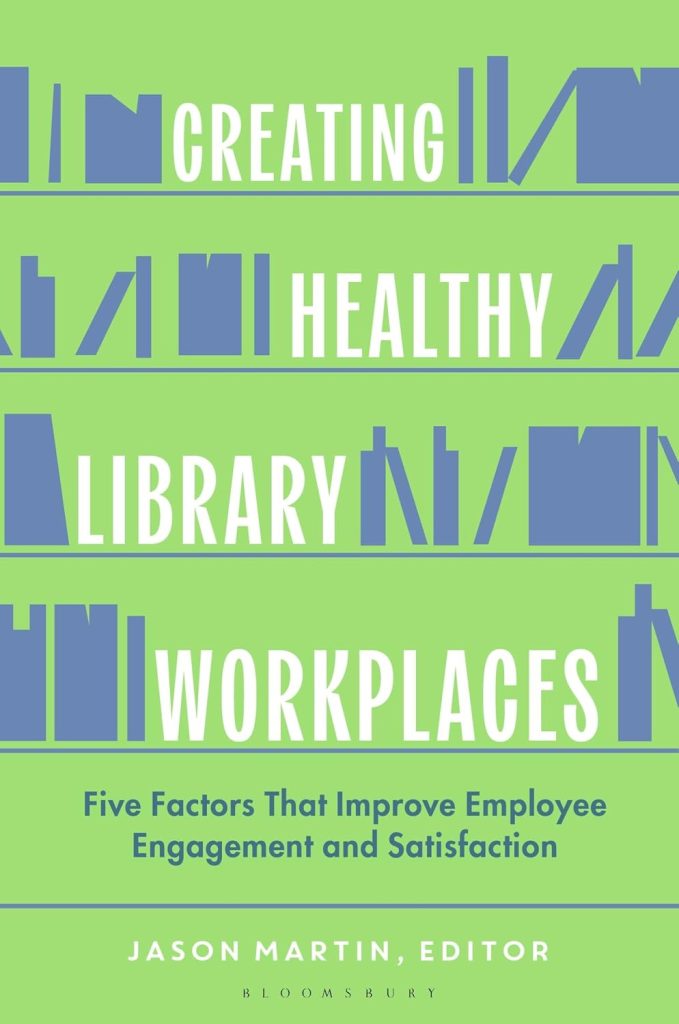
Editor: Jason Martin
Recommended for: Academic Libraries, Public Libraries, School Libraries, Special Libraries
This practical guide, written from different perspectives and applying to all library types, explains how to create healthy library workplaces.
While library work is often imbued with a strong sense of purpose and mission, it’s still work-messy, rewarding, complicated. This book explores the five factors that influence both workplace engagement and job satisfaction for library workers:
· culture and work environment
· leadership
· workload
· recognition
· meaning
Learn how to critically examine these five factors and understand meaningful ways to positively implement them. The expert contributors to this volume represent many types of libraries and points of view, including BIPOC writers and those from other marginalized groups as well as librarians from small and large libraries, rural and urban libraries, and academic, public, and school libraries. This book is written for everyone in a library-leaders, librarians, and other staff can all contribute to making their library a better workplace. Readers will appreciate the hands-on guidance for improving not only the organizational functioning of the library, but the human functioning as well.
Critical Library Leadership: Managing Self and Others in Today’s Academic Library
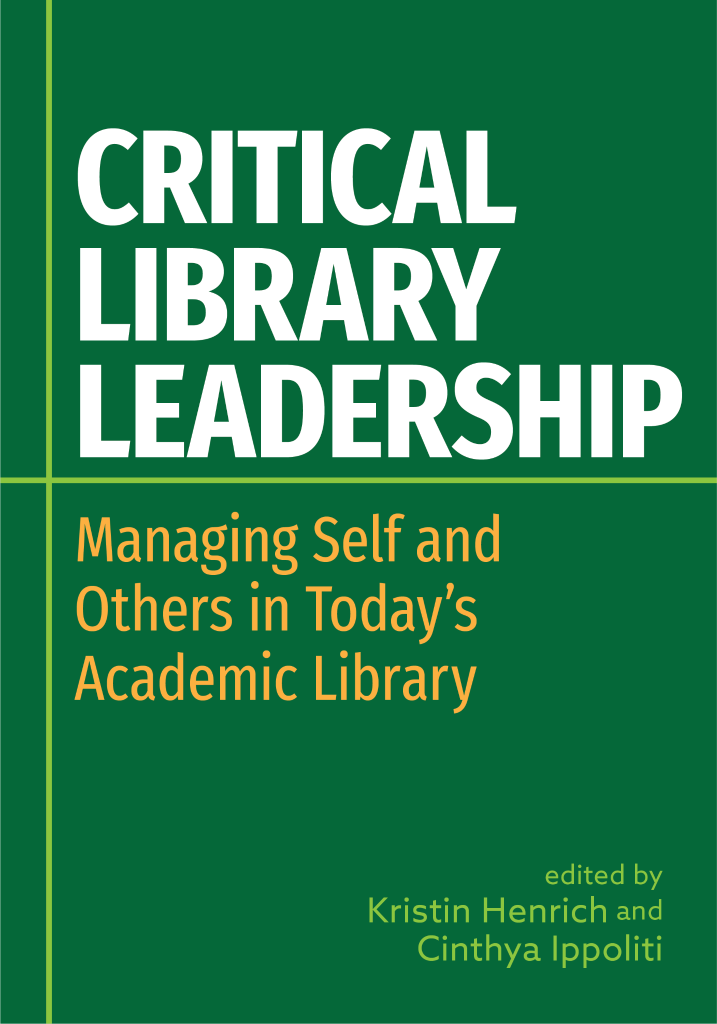
Edited by: Kristin Henrich and Cinthya Ippoliti
Recommended for: Academic Libraries
Many of us arrive in supervisory positions with little or no formal training in academic library leadership. We attempt to teach ourselves the skills we need to be good managers and organizational leaders while juggling our own identity shifts and insecurities.
Critical Library Leadership: Managing Self and Others in Today’s Academic Library provides practical, library-specific, hands-on tools that help us shape our approach to leadership and ourselves as leaders. It gives practical strategies for dealing with stress and addressing feelings of insecurity alongside managing the organization from an equity perspective that places people at the forefront. Each section offers a mixture of theory and research, lived experience, and practice that captures many different techniques you can apply to your own journey and organizational context in both formal and informal ways.
Part I: Leader as Self
Section I: Care, Empathy, and Authenticity
Section II: Career Development
Part II: Leader as Role
Section III: Relationships with Others
Section IV: Management Practices
Critical Library Leadership offers a sense of recognition and of community, new ideas for personal and organizational practice, and a renewed appreciation for the immense amount of affective, emotional, and practical labor that is required of each of us as leaders.
Fundamentals of Library Supervision, Fourth Edition
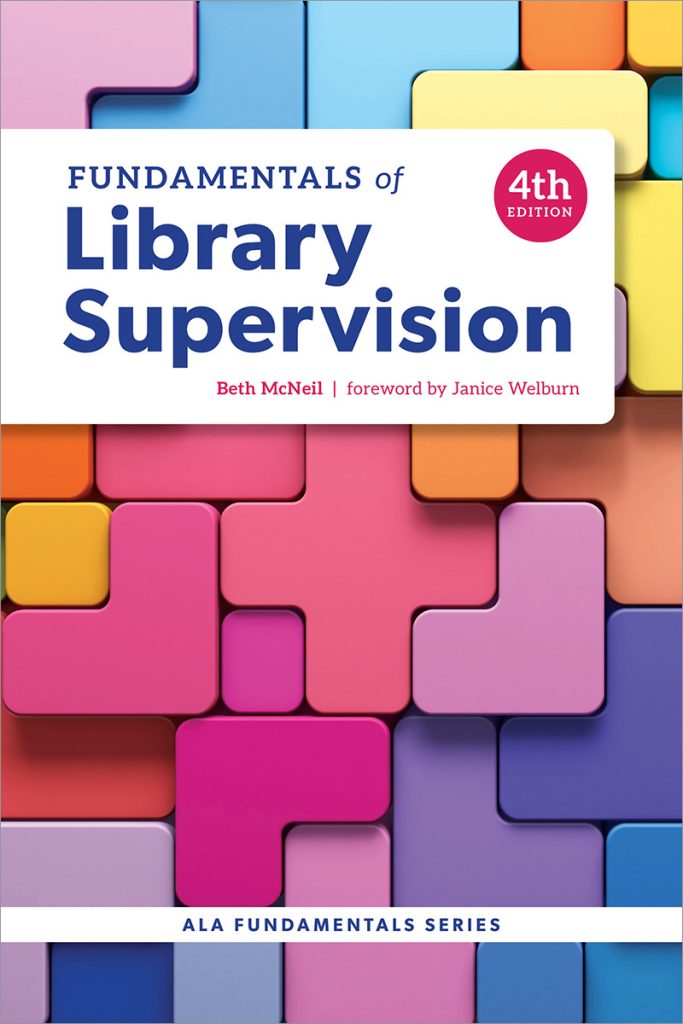
Beth McNeil, foreword by Janic Welburn
Recommended for: Academic Libraries, Public Libraries, School Libraries, Special Libraries
Updated and reorganized to be even more useful for day-to-day reference, this classic handbook will help new supervisors, librarians, library staff aspiring to supervisory roles, and seasoned administrators alike thoroughly grasp the dynamic responsibilities entailed in putting people foremost in their libraries.
Supervising a library, managing people, stepping forward as a mentor, and being a leader in your community, whether you run a small, one-person library or work in a large research university library, is no small feat. The new fourth edition of this “classic text” (Library Journal) shares practical advice on many of today’s management opportunities and challenges. Whether you’re new to supervision or already have experience, you will find that the topics covered here, along with examples from various libraries, provide an overview of the many tasks and responsibilities of a manager and supervisor. Packed with clear and concise wisdom that will give you confidence in the role, inside this handbook you will discover
- step-by-step guidance on fundamental skills such as hiring, onboarding and orientation, scheduling and service provision, performance appraisal and management, budgeting, space planning and safety, and conducting meetings;
- insights on core leadership competencies essential for supervisors to balance organizational priorities with the individual needs and desires of staff;
- guidance on helping library employees to learn and grow in their jobs, becoming adept at change management, setting priorities and managing time effectively and efficiently, being a good collaborator, modeling self-awareness and emotional intelligence, and other keys to success as a supervisor;
- a new discussion of the changed organizational climate and how to create and sustain environments that foster a sense of belonging among all staff;
- chapter summaries with critical takeaways; and
- helpful extras like a positive messaging worksheet, new employee welcome email template, and information about additional resources.
Hope in the Library: How Libraries Can Help Shape Our Future with Artificial Intelligence
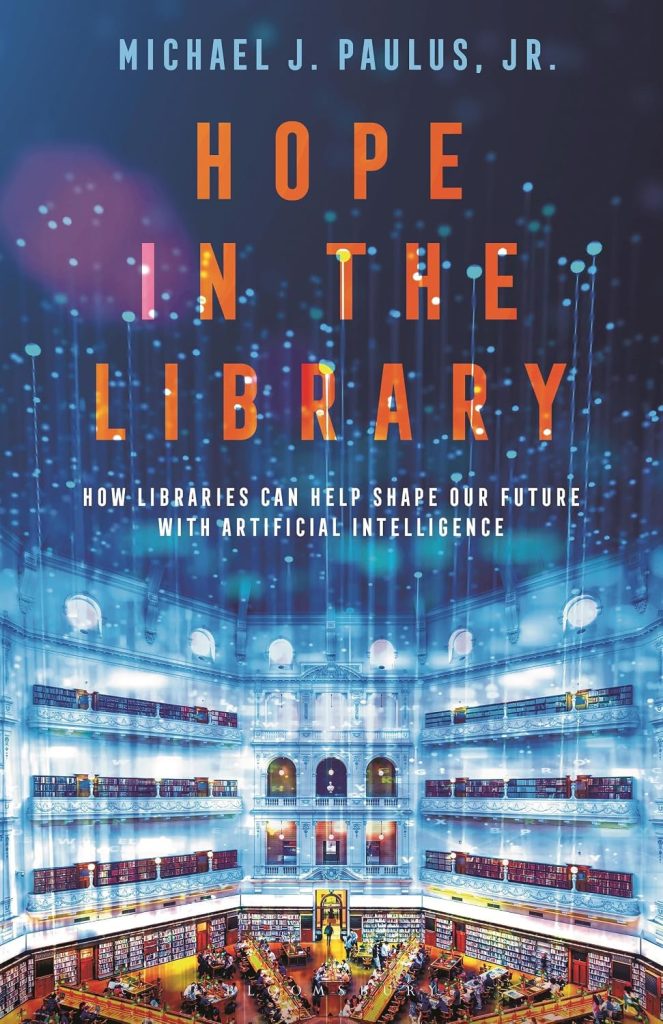
Michael J. Paulus, Jr.
Recommended for: Academic Libraries, Public Libraries, School Libraries, Special Libraries
What is the role of the library in an increasingly complex information environment filled with and redesigned for artificial intelligence?
Hope in the Library presents a compelling case for the continued relevance of libraries in an age increasingly shaped by artificial intelligence. Michael J. Paulus, Jr., shows how libraries, as human-centered and human-scaled institutions, have enduring roles as archives for reflection and understanding, sites of imagination and hope, and catalysts for human agency. This book argues that, by providing an essential counterbalance to impersonal and automated systems, libraries are essential for not only surviving but thriving in our emerging information environment.
Hope in the Library is structured as a series of essays organized by explorations of the library in the past, in imagined futures, and in our digitally-enhanced present. Firsthand narrative an archaeological history are interspersed with literary meditations from writers including Mary Shelley, Ursula K. Le Guin, and Jorge Luis Borges. The book can be read a few different ways: from beginning to end; following topical pathways suggested in the final section; or in any other order chosen by the reader. Each essay and section, like a book or section of a library, may be read independently.
Informed by over two decades of leading and studying libraries, these essays include the author’s professional as well as personal reflections and encourage a more radical reframing of how AI may be integrated into libraries and society to help create a better future.
How to Make Meetings Not Suck: Tips and Tools to Run Effective Meetings
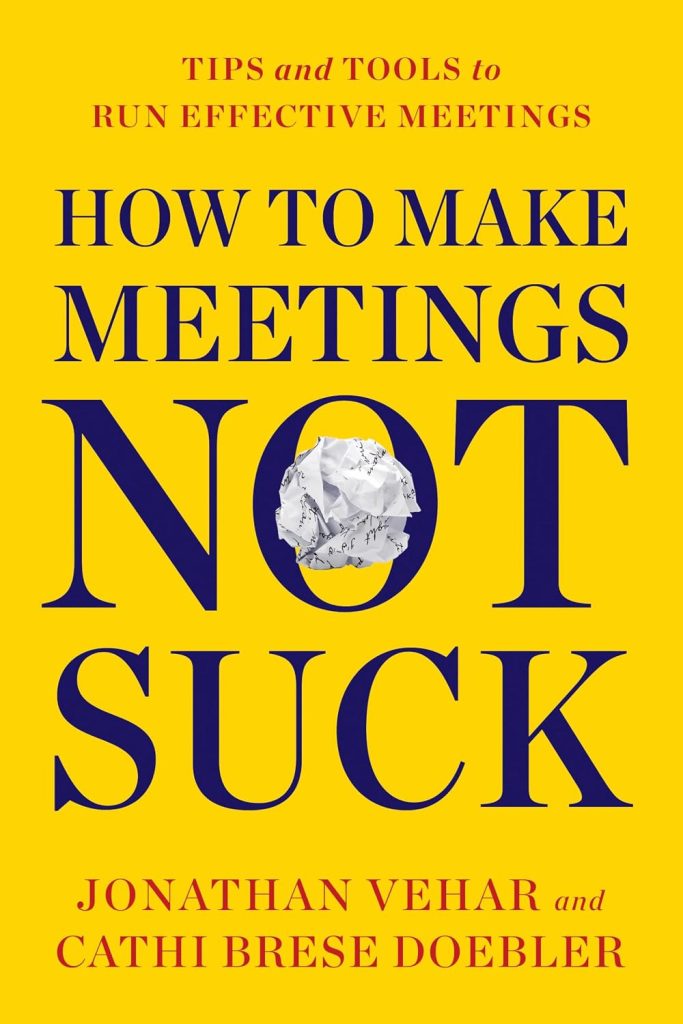
Jonathan Vehar and Cathi Brese Doebler
Recommended for: Academic Libraries, Public Libraries, School Libraries, Special Libraries
A 2014 Harris Poll involving over 2000 people found that almost half of the respondents indicated that they would rather do any unpleasant activity (e.g. go to the Department of Motor Vehicles) than attend a project “status meeting.”
A recent survey by Salary.com found that “too many meetings” was rated the number one time-waster in the office by 47% of respondents. One analysis estimates that the cost of meetings in the US alone is $1.4 trillion per year, equaling close to 10% of the US GDP.
Every day in the US there are fifty-five million meetings, and a substantial percentage of them are inefficient time-wasters. To address this problem of meetings that suck, this book is designed to be a practical guide for managers and leaders who want to maximize the effectiveness of time spent with their teams and colleagues.
This book will help you improve the effectiveness and efficiency of the meetings that you run.
- Status meetings
- Tactical meetings
- Strategic planning meetings
- Problem-solving meetings
- Project team meetings
- Informational meetings
- Social connection meetings
This easy-to-read practical guidebook is focused on the mindset, skillset and toolset for running meetings with step-by-step guides on various techniques.
The authors are both facilitators at the world-renowned Center for Creative Leadership where they work with senior executives to help them be more effective in their leadership. In their own businesses they’ve worked with teams and executives at companies like Subaru, T. Rowe Price, NASA, National Grid, and the US Joint Special Forces University.
Leading From the Library, Second Edition: Help Your School Community Thrive in the Digital Age
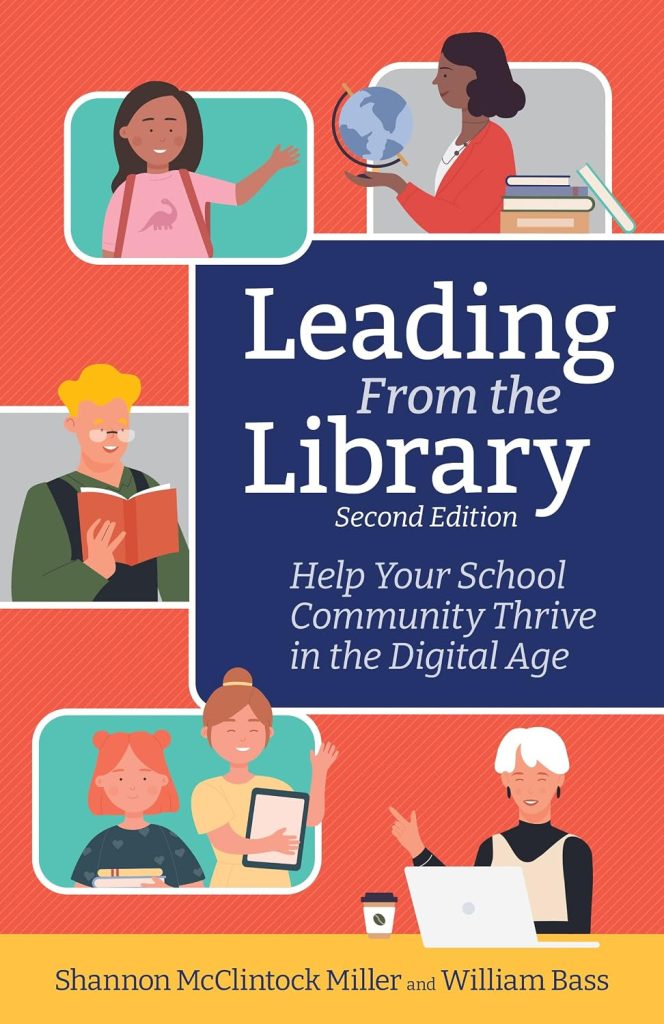
Shannon McClintlock Miller and William Bass
Recommended for: School Libraries
In this new edition of the popular book Leading From the Library, you’ll gain insights into becoming a leader in your school community, with strategies for developing partnerships, empowering students and more.
Join a librarian and an education leader as they team up once more to explore the librarian’s role as a leader who works collaboratively to build relationships, mold culture and advocate for the needs of students and the community. Authors Shannon McClintock Miller and William Bass discuss the benefits of bringing the outside world into the library through tools that allow librarians to partner with others. Then, they expand upon these connections by addressing how librarians can lead in the greater education community by sharing resources and strategies, and partnering with school leaders to tell the story of the school community.
The new edition includes two brand-new chapters. The first reflects on the experiences of librarians during the COVID-19 pandemic, sharing stories of how library programs supported students and teachers during shutdowns and virtual learning. The authors propose that these strategies can serve as foundational practices for libraries, and provide an opportunity to reflect on what library programs can offer. Another new chapter is dedicated to expanding the definition of literacy, with topics such as media and information literacy, and the importance of critical thinking and research as essential skills for students.
This revised edition:
- Highlights the potential of librarians to empower their students, their schools and their communities, and be learning leaders in the digital age.
- Includes stories of partnerships – from librarians and administrators – illustrating how they can collaborate to create change by harnessing the influence of the school library program to enhance the educational experience.
- Explores how librarians serve as mentors to their students, delving into many topics that define digital age literacy, including the librarian’s role in reading advocacy and digital citizenship.
- Draws connections to the ISTE Standards, including the Student, Educator and Education Leader sections, in each chapter.
Through this book, librarians will discover the influence they can have on the school community as the library becomes the heart of the school, a place where problems are solved, content is explored, connections are made and discovery happens.
The Librarian’s Grants Handbook: Understanding the Grant Process from Start to Finish
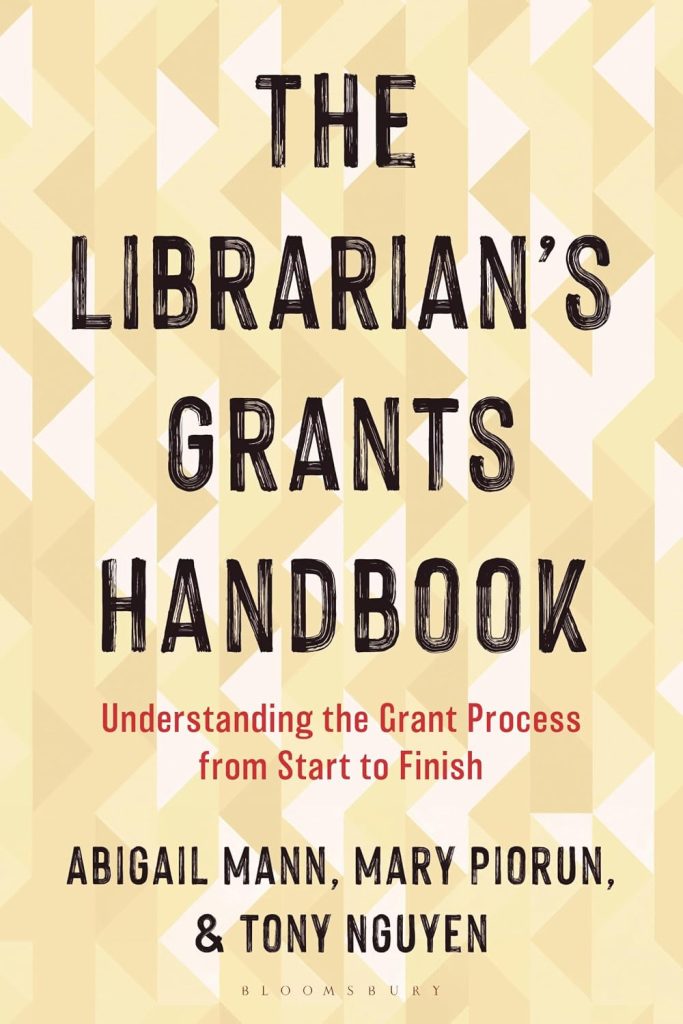
Abigail Mann, Mary Piorun & Tony Nguyen
Recommended for: Academic Libraries, Public Libraries, School Libraries, Special Libraries
This book aims to help librarians develop grant proposals and juggle the differing demands of multiple collaborators both internally and externally. Grants have long been a tool that allow libraries to increase their reach and offer access to more communities. Libraries are seen as a trusted bridge connecting communities with information and resources. They are often at the intersection of various disciplines, projects, and funding opportunities, making librarians a natural fit to lead grant development. The shifting realities of public, academic, and health sciences libraries today necessitate that information professionals must, more frequently, seek external funding for such projects. Yet few librarians are formally trained in grant-writing, nor in marshaling together a team of grant-seekers with varying positions, experiences, and knowledge fields. In addition, the institutional support staff that might have traditionally helped with such endeavors has frequently disappeared from rosters due to budgetary constraints within their institution, meaning that librarians seeking grants often do so without support often provided to academic researchers. This book will be of particular use to librarians seeking funding for larger projects that allow more community outreach and librarians working to develop a grant proposal with faculty and community members who may lean on them for support.
Making Values-Based Decisions in the Academic Library
Edited by: Amanda Koziura and Amy Tureen
Recommended for: Academic Libraries
When faced with difficult decisions, how do academic library decision makers, at any level of positional authority, make choices that satisfy the values of their profession, their institution, and themselves? How do you decide which values to privilege when priorities compete or even conflict? How can you ensure decisions are thoughtful and rooted in core values, rather than reflective only of the most immediate conditions and priorities?
Making Values-Based Decisions in the Academic Library explores the decision-making process of librarians in both formal and informal leadership roles. Rather than trying to identify a singular “correct” answer, authors offer an exploration of their own processes and the tools they used to arrive at conclusions that fit their contexts and institutions. Their examples show how values can be central considerations in assessment, inform collection development, shape our spaces and services, influence policy, and be foundational for seeking a better way forward.
We have more power than we think to create change, and our values can be a touchstone for the decisions we make at every level. The strategies in Making Values-Based Decisions in the Academic Library can help you holistically consider available options and make choices that consider your personal, institutional, and professional values amid challenging and changing circumstances.
Practical Marketing for Your School Library
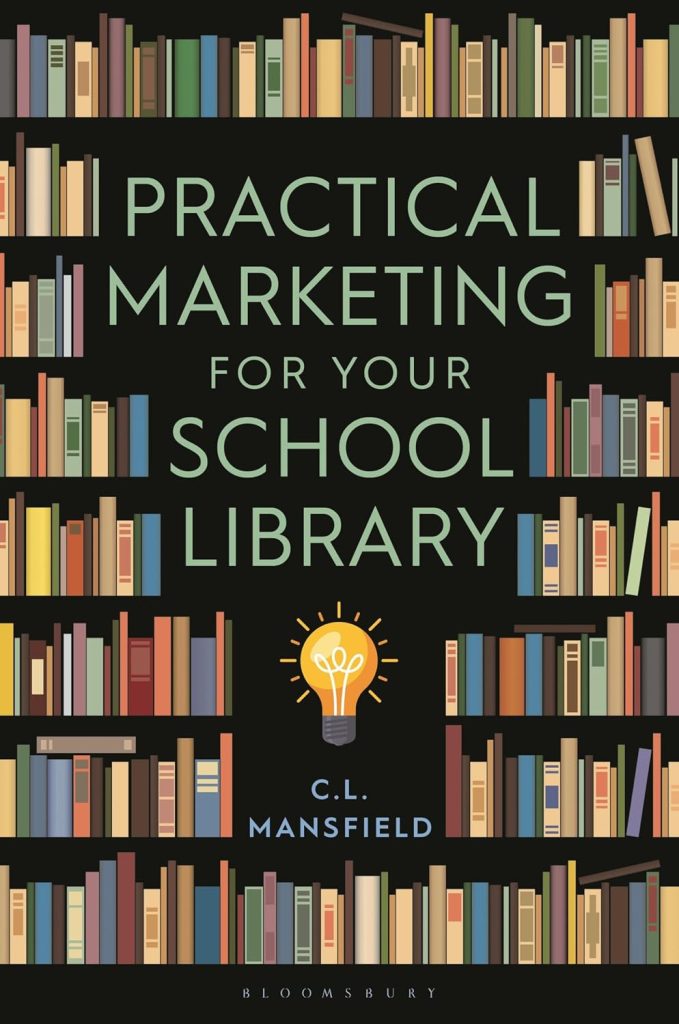
C.L. Mansfield
Recommended for: School Libraries
Provides librarians and teachers with innovative ideas for producing a marketing plan, newsletters, social media marketing, library programming, and more to position the library as an essential resource.
Is your school library struggling to gain visibility within your school and community? Practical Marketing for Your School Library provides librarians with the strategies and tools needed to develop a comprehensive marketing plan that will raise awareness and drive student engagement and colleague collaboration. This practical, easy-to-implement guide goes beyond traditional library promotion to deliver innovative, low-cost ideas for creating standout newsletters, social media campaigns, and event-based programming that will position your library as an indispensable hub of learning and discovery within your school community.
· Discover how to leverage data and feedback to understand your target audience and craft compelling messaging that resonates.
· Master the art of visual branding to make your library pop, both online and in-person.
· Utilize cost-effective digital marketing tactics to reach students, staff, and families where they are.
· Build a calendar of engaging, curriculum-aligned library events and activities that get everyone excited about what your library has to offer.
With this roadmap in hand, you’ll be empowered to transform your library into a vibrant, must-visit destination that elevates teaching and learning throughout your school. Upgrade your marketing game and take your library’s impact to new heights!
The Quick-Start Library Guide: A Handbook for Paraprofessionals and New School Librarians
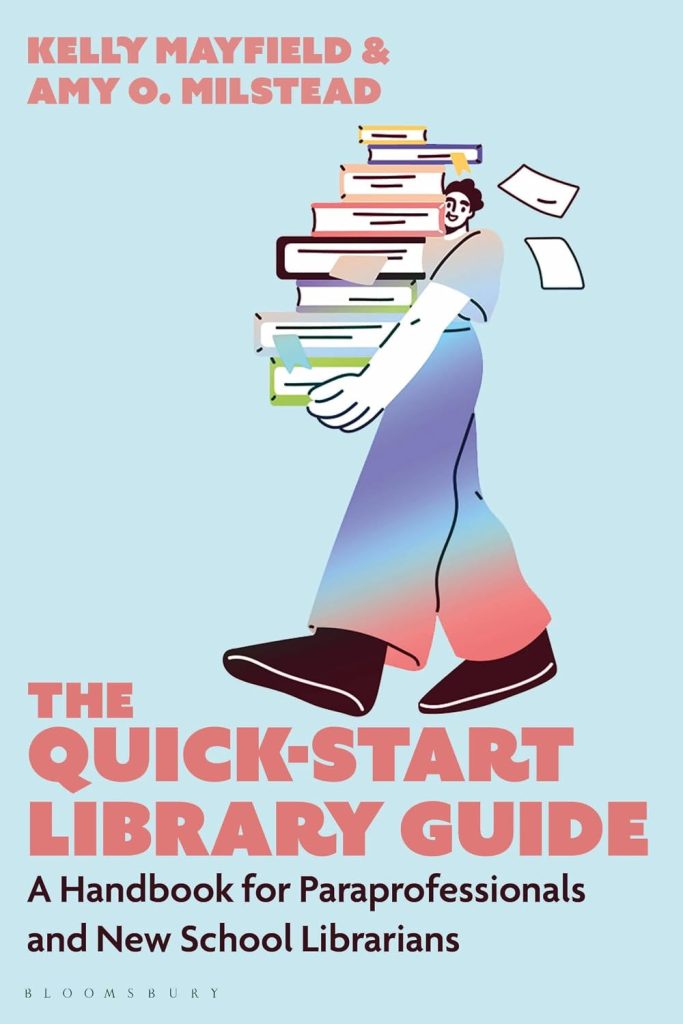
Kelly Mayfield and Amy O. Milstead
Recommended for: School Libraries
“A reassuring and highly useful starting point for those entering the profession.” – School Library Journal
Helps paraprofessionals and new school librarians begin their first school year with confidence.
New librarians and paraprofessionals often come to school library positions with little or no experience in library work, and there’s a gap in instructional information available for those who want to quickly increase their skill level. This book helps professionals and paraprofessionals learn what they need to know to get started, as well as pointing them to additional resources in areas where they might want more advanced information.
This practical guide teaches librarians and paraprofessionals to develop systems and create plans for programs and partnerships with teachers and other professionals to set them up for success during their first year in the library. A timeline helps map out the rhythm of a school year. The Quick-Start Library Guide introduces paraprofessionals to library science topics such as cataloging, collection development, and weeding. It covers topics specific to the school library such as reading levels, book fairs, and author visits. Each section includes suggested resources for more in-depth learning. Librarians and paraprofessionals will be able to use this valuable, straightforward guide to hit the ground running in their new role.
Upskilling for Library Workers: A Guide for Future-Ready Professionals
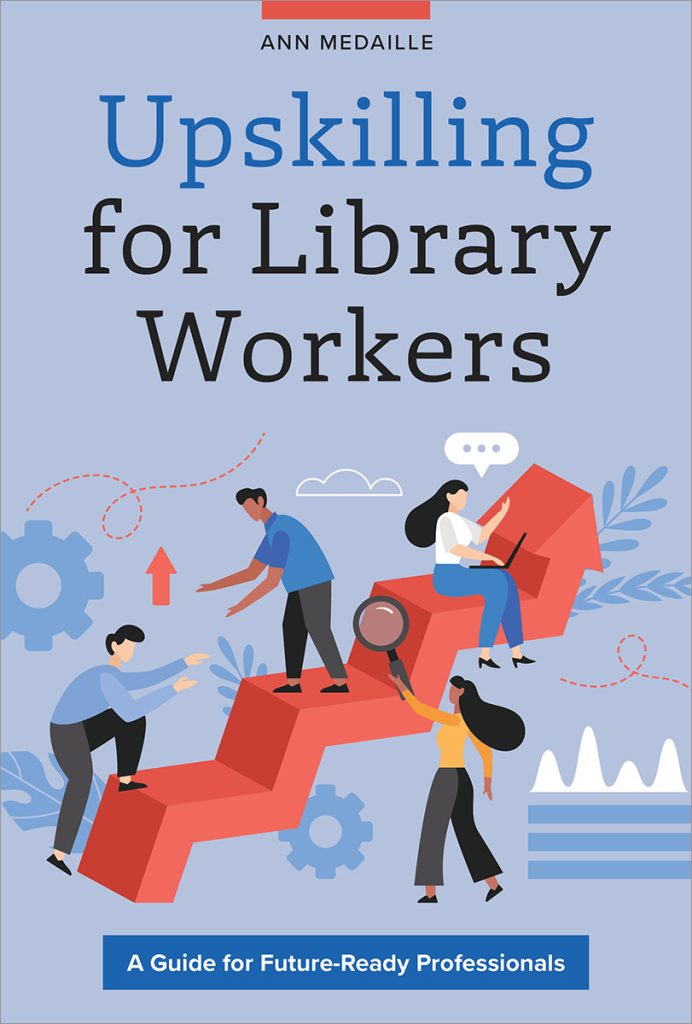
Ann Medaille
Recommended for: Academic Libraries, Public Libraries
Helping library workers keep pace with changing technologies and rapidly evolving cultural expectations amidst tumultuous times, this book outlines practical strategies for leading a library upskilling or staff development program on limited resources.
Many of today’s libraries and their workers are facing a skills crisis. By some estimates, an employee’s current skills are only relevant for a maximum of five years, but other estimates put the longevity of current skills at only 18 months. Though it’s crucial that library workers continuously upskill and reskill to keep up with technological changes, including those brought about by AI, libraries have limited time, budgets, and resources to devote to helping staff keep up. But as Medaille demonstrates in this book, which draws on lessons learned from a three-year research project, it’s still possible to adopt an inspiring, forward-thinking approach to upskilling, one that positions staff to succeed both now and in the future. Library administrators, managers, trainers, program leaders, branch heads, and staff members who work in public or academic libraries and are involved in learning or teaching new skills, or creating a skills strategy for their library, will discover:
- why upskilling and reskilling are urgently needed by library workers to navigate information in the context of ever-changing technologies, and which skills are the most important;
- lessons that libraries can learn from the innovative approaches to workplace upskilling that are taking place in the corporate learning and development space;
- an incisive overview and analysis of learning initiatives currently underway at academic and public libraries in the United States and Canada;
- key concepts related to learning and instructional design;
- the four E’s of upskilling (education, experiences, exposures, and environment) and where they fit into library workplace training and development;
- research-based guidance on facing such challenges as how to get started, knowing what skills to plan for in the future, deciding upon appropriate learning initiatives, motivating staff to continually learn, evaluating skill development initiatives, and confronting issues related to cost, time, and organizational culture; and
- hands-on strategies for the integration of upskilling into library work across a broad range of skill types and library applications, including suggested activities, reflection points, examples, and tips throughout the book.